
Speed And Safety Across Global Road Systems

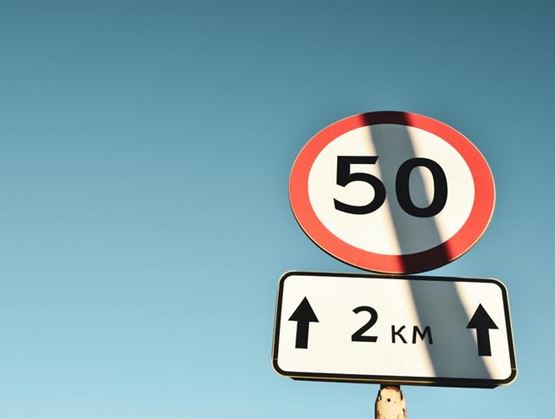
France’s new approach does not replace traditional penalties for lesser overspeeding: fines, licence points, and automated enforcement cameras remain vital elements of the road safety strategy. However, the criminalisation of very large threshold breaches is intended to elevate enforcement where risks to life and limb are greatest.
European neighbours and national frameworks
Across Europe, countries adopt different legal instruments and cultural attitudes toward speed limits and enforcement. In Germany, the celebrated stretches of the Autobahn without posted limits coexist with a structured system of fines and penalty points for many other roads. Standard speed limits of 50 km/h in built-up areas and 100 km/h on rural roads, unless otherwise signed, are enforced with fines, licence demerit points and driving bans for serious violations. Exceeding Germany’s posted limits by substantial margins leads to escalating sanctions, illustrating a tiered approach to managing risk and encouraging compliance.
In the United Kingdom, a well-established camera enforcement network works with police and local authorities to deter excessive speed. Penalties typically start at £100 and three penalty points for less serious offences, and courts can impose higher fines and licence disqualification for more serious breaches, with maximum fines of £1 000 on ordinary roads and £2 500 on motorways. This blend of financial penalties and enforcement visibility aims to reduce casualties without resorting to criminal classification for most speeding offences.
The UAE and Switzerland’s distinct systems
In many countries, varied legal traditions also inform road safety policy. In the United Arab Emirates (UAE), the road toll has fallen by roughly two-thirds since 2010, driven by a combination of stricter penalties, sustained safety campaigns and tighter vehicle safety standards. In the UAE, drivers who repeatedly exceed speed limits can face substantial fines of up to DH 3 000 (around €740) and authorities may confiscate vehicles for 60 days, sometimes selling them at public auction thereafter. Courts can also impose alternative measures such as community service; in one Abu Dhabi case, five drivers caught drifting had their cars sold and were ordered to sweep streets for three months.
Switzerland offers another distinctive model, where the penalty for serious traffic offences, including speeding, is calculated in proportion to an offender’s income and wealth through an income-based “day fine” system. In this approach shared with some Nordic countries, courts determine the number of “day units” based on the severity of the offence and multiply that by a daily amount reflecting the offender’s income, ensuring penalties are felt equally across economic strata. A well-reported posture case involved a wealthy driver in Lausanne facing up to 90 000 Swiss francs (over €85 000) for exceeding a limit by 27 km/h, with an agreement that additional sums could be required if reoffending occurred in the following years. Switzerland’s most extreme historical example occurred in 2010, when a driver caught at extremely high speed faced a fine of CHF 1 080 000 (more than €1 000 000) calculated as 300 days at CHF 3 600 per day, reflecting both speed and financial capacity. The system was designed to equalise deterrence across income levels, with exceptions ranging from smaller flat fines to, in some cases, custodial sentences for indigent offenders who cannot pay.
Switzerland’s income-based penalties underline a philosophical choice: that punishment should inflict comparable hardship regardless of wealth, thereby ensuring that wealthy offenders do not treat fines as negligible costs of driving behaviour.
Road safety in practice: Enforcement, education and technology
While legal frameworks differ, most countries combine enforcement with education and engineering to influence driver behaviour. Automated speed cameras, high-visibility enforcement campaigns and public communication strategies are common features of contemporary road safety programmes. Research in Europe suggests that sustained enforcement, paired with educational outreach and “self-explaining” road designs that naturally encourage appropriate speeds, can help reduce speeding and collisions. Emerging technologies such as intelligent speed assistance (ISA), which uses sensors and map data to alert or limit drivers, are being integrated into vehicles to further reduce the likelihood of excessive speed.
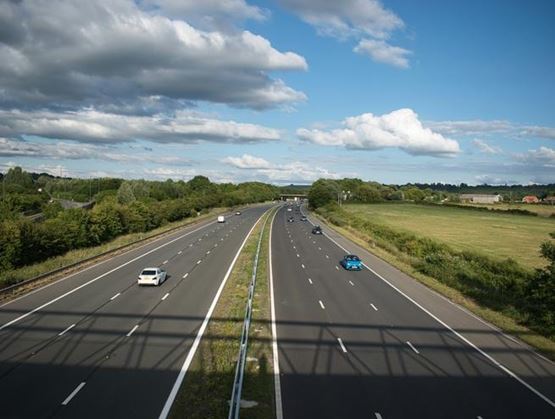
Shared goals at Milipol Paris
France’s decision to elevate extreme speeding to a criminal offence from 29 December 2025 highlights growing urgency in tackling one of the most persistent contributors to road deaths.
At events such as Milipol Paris, where safety professionals from around the world convene, these international experiences provide valuable points of comparison. Discussions about enforcement strategies, legal instruments and emerging technologies enrich the global conversation on how best to reduce road trauma and protect all road users. As nations refine their approaches to speed management, shared learning remains a vital component in the pursuit of safer roads worldwide.
Image credits:
Florian Steciuk - Unsplash
Avi Varma - Unsplash
Alexander Kovalev - Pexels